Category 1: Clean water
From sanitary sources inside the building, like a broken supply line. This is the only category where drying materials in place is routine, and it does not describe floodwater.
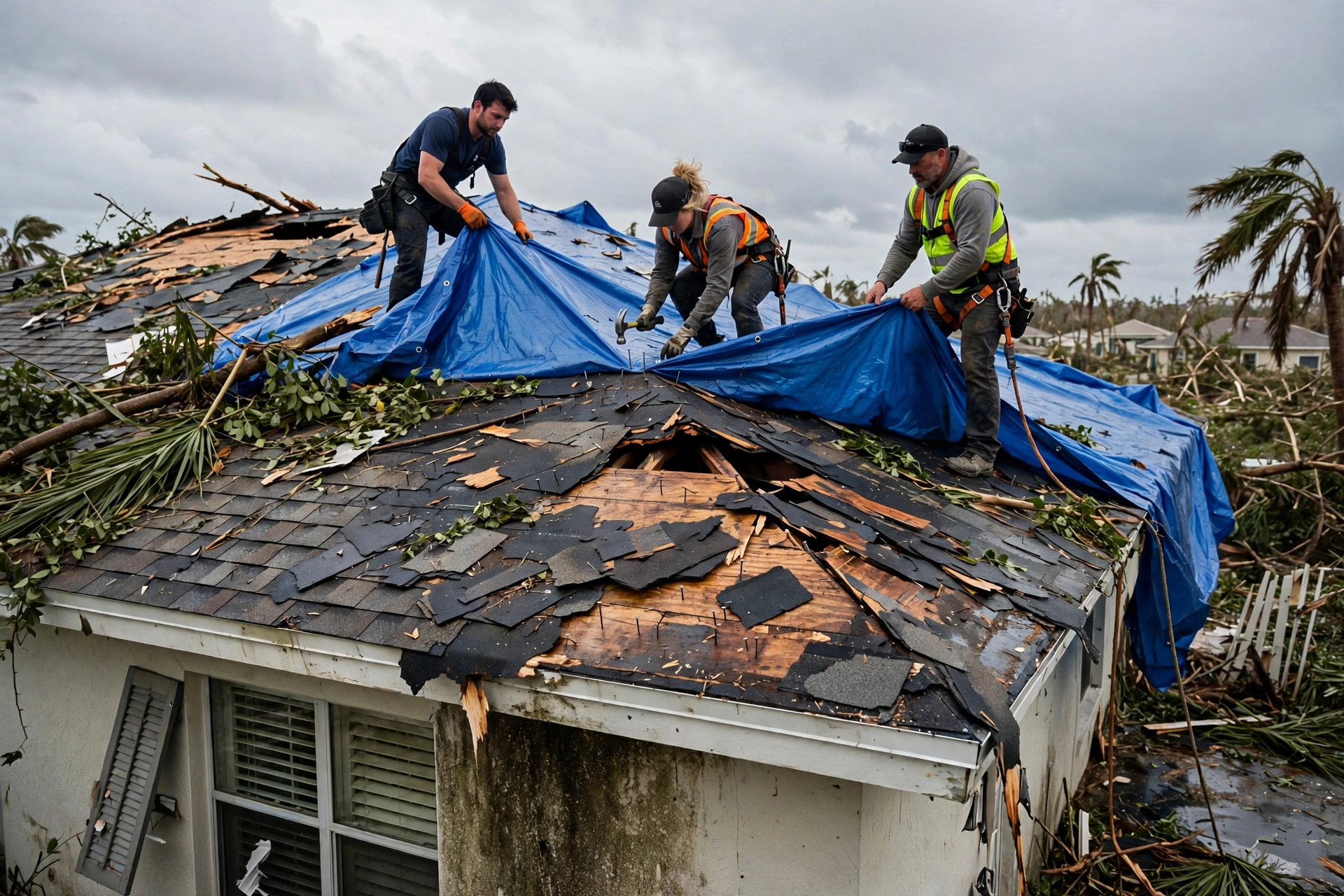
Storm surge, street flooding and wind-driven rain leave more than water behind. Our flood cleanup crews remove the water, sanitize the contamination and dry the structure, documented for your claim.
Flood cleanup, the storm side of water damage cleanup, is the process of making a storm-flooded property safe and dry again: assessing hazards, extracting contaminated floodwater, removing unsalvageable materials and debris, cleaning and sanitizing all remaining surfaces, and drying the structure to verified standards. Floodwater is treated as Category 3, grossly contaminated, so it requires protective equipment and disinfection that ordinary water extraction does not.
Florida floodwater is never just water. Storm surge and street flooding pick up fertilizers, pesticides, petroleum, animal waste and overflow from drainage systems on the way into your home. Add downed electrical hazards, displaced wildlife and hidden structural damage, and a flooded home is a genuinely dangerous environment for the first days after a storm.
That does not mean nothing can be saved. With a disciplined cleanup, most structures dry out fully, hard surfaces sanitize completely, and many contents survive. What decides the outcome is sequence: safety assessment, then water removal, then controlled demolition of what cannot be saved, then cleaning and disinfection, then verified drying. DryOut Inc runs that sequence on every flood job, residential and commercial, anywhere in our 293-city Florida service area.
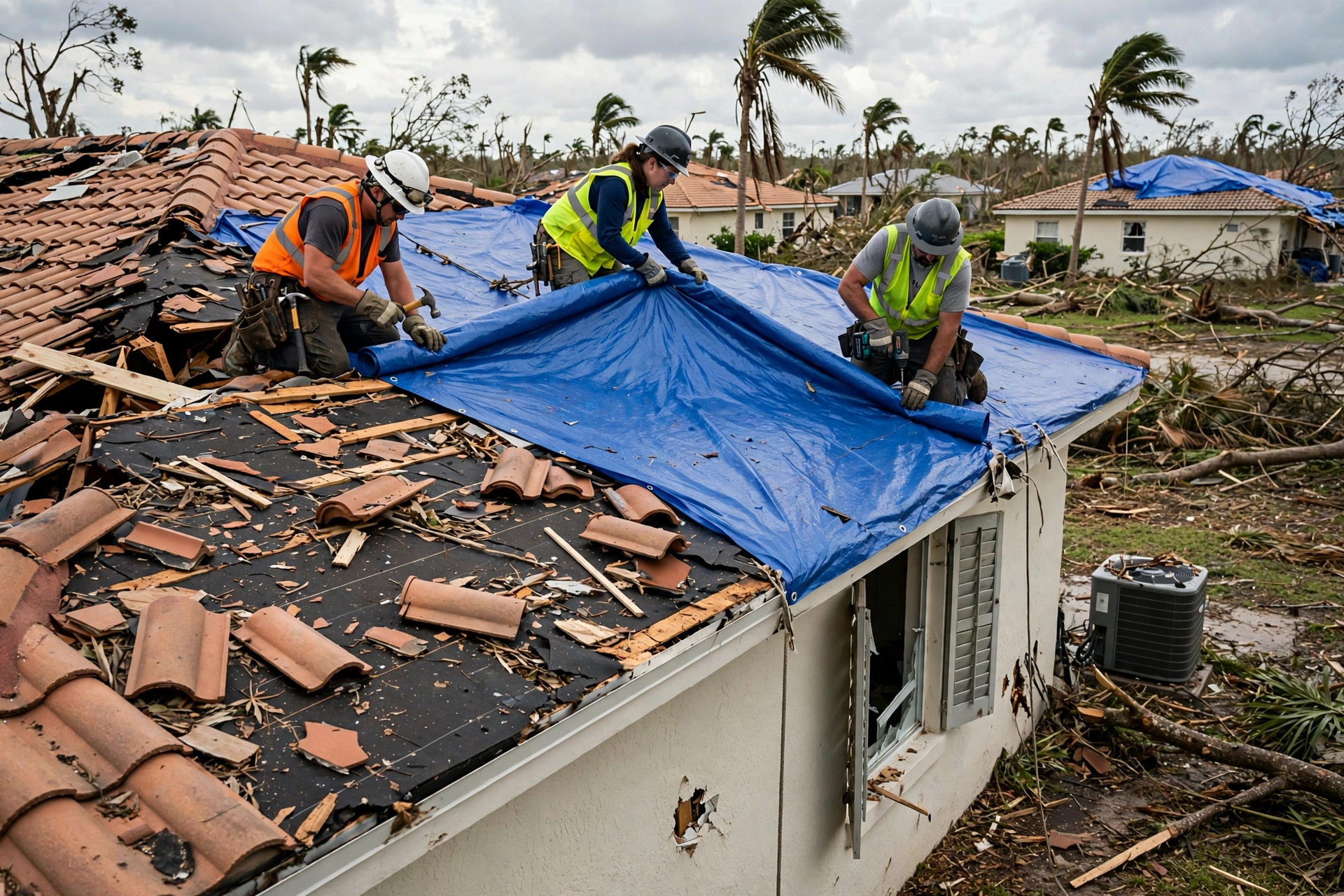
The IICRC S500 standard classifies water by contamination. Understanding the categories explains the precautions on a flood job.
From sanitary sources inside the building, like a broken supply line. This is the only category where drying materials in place is routine, and it does not describe floodwater.
Water with significant contamination that can cause illness, such as appliance discharge. Some interior flooding from heavy rain through a clean roof opening falls here, but ground-level storm flooding does not.
Storm surge, rising rivers, street flooding and groundwater intrusion are Category 3 by definition because of what they contact outdoors. Porous materials it touches, including carpet, padding, drywall and upholstered furniture, are removed, not dried.
Category drives the scope. On a Category 3 flood job the priority is safe removal of contaminated materials, then disinfection of the structure that remains. This protects your family's health and satisfies insurer and lender requirements for returning the property to service.
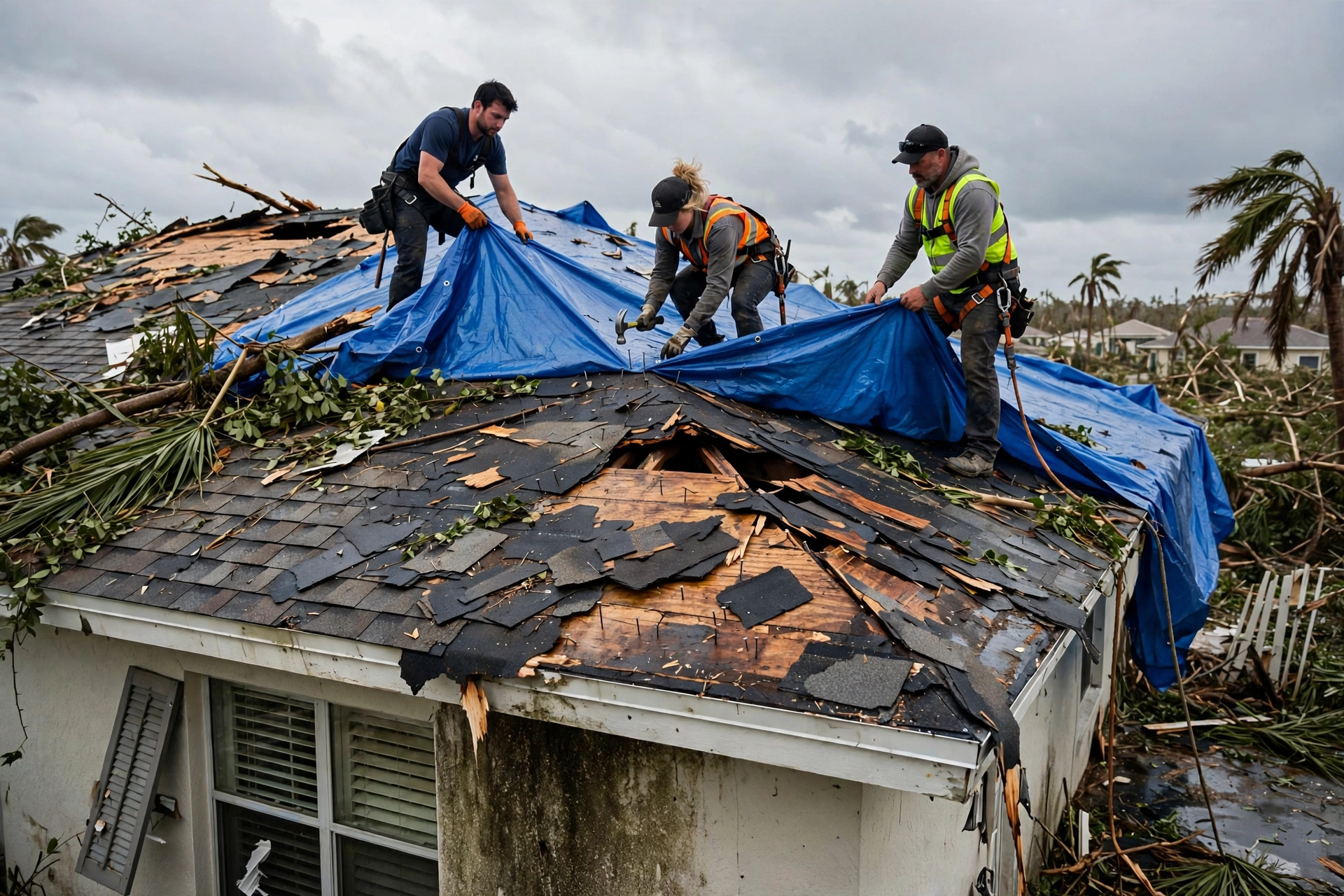
Once the property is clean, the job becomes a standard structural drying project, with one addition: a documentation package built for flood claims.
Air movers and commercial dehumidifiers dry framing, subfloor and remaining assemblies, monitored daily with moisture meters until IICRC S500 dry standards are confirmed. Mold can begin within 24 to 48 hours in Florida humidity, so the drying clock matters.
Salvageable contents are cleaned and moved to dry storage on site or documented for pack-out. Unsalvageable items are photographed and inventoried before disposal, which is what your contents claim requires.
Pre-cleanup photos, water line evidence, moisture logs, material disposal records and an Xactimate scope. Flood claims are scrutinized hard; this file is what gets them paid. See our insurance claims assistance for the details.
| Phase | Typical timing after the storm | Goal |
|---|---|---|
| Safety check and extraction | Day 1 | Standing water out, hazards controlled |
| Debris and material removal | Days 1 to 3 | Contaminated materials removed and documented |
| Cleaning and sanitization | Days 2 to 4 | Structure disinfected and safe to dry |
| Structural drying | Days 3 to 7 | Meter-verified dry standard reached |
| Repair and rebuild | Weeks 2 to 4 | Drywall, flooring and finishes restored |
Avoid running your own fans on contaminated floodwater; it aerosolizes contaminants and spreads them to clean areas. Containment and sanitization come first. For immediate help, our 24/7 emergency team dispatches around the clock, and you can reach us through the contact page any time.
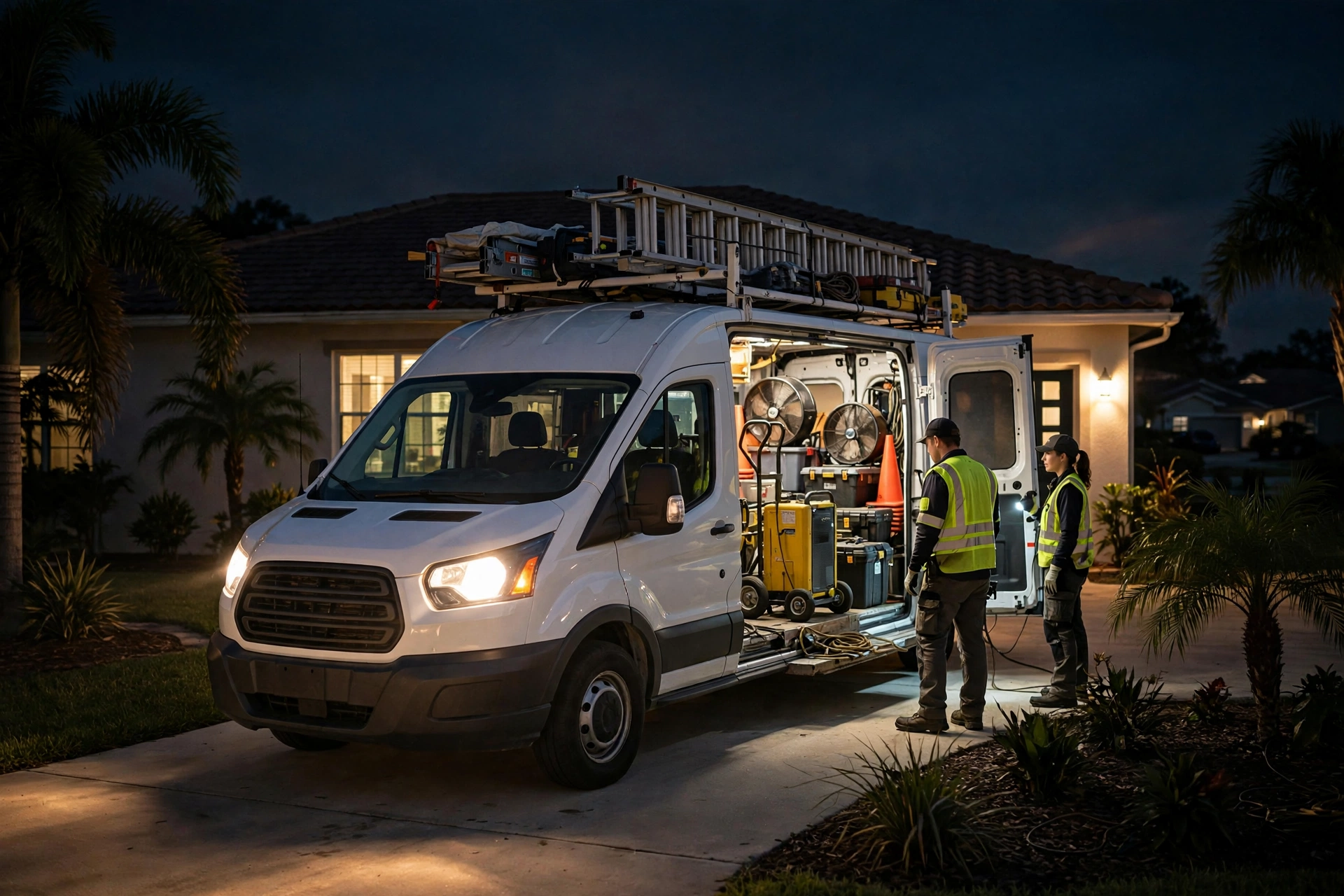
Yes. Storm and street floodwater is classified Category 3 because it carries bacteria, chemicals and other contaminants picked up outdoors and from overwhelmed drainage systems. Avoid skin contact, keep children and pets out of affected areas, and let a crew with protective equipment and disinfectants handle the cleanup.
After Category 3 flooding, carpet, padding and drywall that absorbed floodwater are removed rather than dried, because contaminants penetrate them completely. Hard surfaces, framing and many hard contents can be cleaned, disinfected and saved. We document everything removed for your insurance claim.
As soon as it is safe to enter and roads allow access. Every day of delay lets contaminated water keep damaging materials and lets mold, which can start in 24 to 48 hours in Florida, establish itself in the wet structure. Cleanup and drying started in the first days dramatically reduces total damage.
Standard homeowner's policies generally exclude flood; a separate NFIP or private flood policy covers it. Either way, mitigation is usually required by your policy, and thorough documentation decides how smoothly the claim goes. We build the full photo, moisture and scope file from day one.
Flood cleanup after storms typically ranges from $2,500 to $9,000 for cleanup, sanitization and drying, before reconstruction costs. The range depends on water depth, contamination, and how much material must be removed. Your free inspection produces a written scope and price range before work begins.
Let a trained crew handle the water, the contamination and the cleanup, safely and documented from the first photo.
Call 24/7: (607) 300-1334